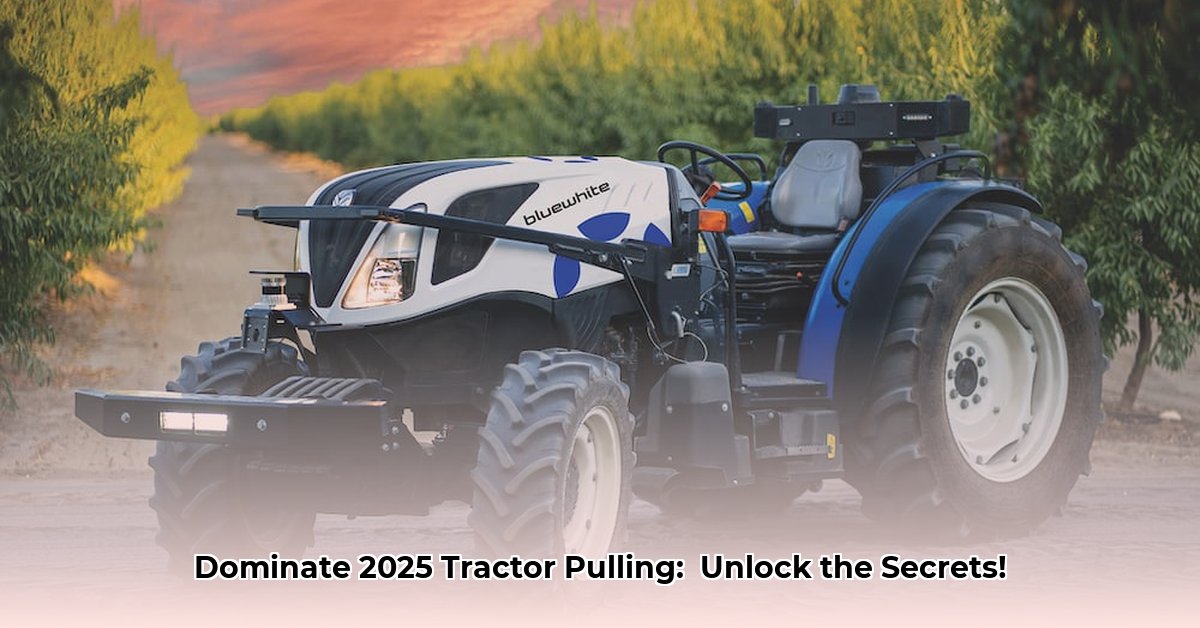
The roar is deafening. The ground trembles. A colossal machine, a modified tractor far removed from its agricultural origins, strains against the pull, its massive tires churning dirt into a swirling brown cloud. This isn't your average farming equipment; this is tractor pulling, a contest of raw power, ingenious engineering, and nerves of steel. Winning requires more than just brute force; it demands a holistic strategy that unites mechanical mastery with shrewd tactical planning. This article delves into the heart of this thrilling competition, outlining the modifications, the personalities, and the business strategies that will define 2025's pulling champions. For upcoming events near you, check out local events.
Unleashing the Beasts: Engine and Supercharger Modifications
Forget the tractor engine you imagine working a field. Competitive tractor pulling demands purpose-built powerhouses, often custom-designed and hand-built. Names like the SRE Hemi and Allison-powered engines are legendary, representing peak performance. These aren't merely modified; they're completely re-engineered for maximum pulling force. Think of them as bespoke muscle cars, but on an exponentially larger, more powerful scale.
Horsepower alone, however, is insufficient. To truly dominate, you need forced induction. This is where superchargers from leading manufacturers like Mike Janis and Mooneyham enter the picture. These devices cram massive volumes of air into the already potent engines; it's like turbocharging, amplified to an almost unbelievable degree. The result? A breathtaking surge in horsepower and torque, translating to unmatched pulling power—a crucial element for top-tier competitors aiming for victory.
Chassis Tweaks: Building an Unbreakable Foundation
Even the most potent engine is useless without a chassis capable of withstanding the immense forces of tractor pulling. This isn't simply about adding extra braces; it's about creating a foundation as robust as the engine itself. Companies like Modern Machine and Sassy are renowned for constructing these incredibly tough, precisely engineered frames, designed to endure the brutal stress of pulling thousands of pounds, repeatedly.
Think of constructing a skyscraper: you wouldn't use inferior materials. The same principle applies here; every weld, every component plays a critical role. The goal is optimizing power transfer from engine to ground, maximizing traction, and minimizing energy loss—a feat of engineering as impressive as the power it supports.
The Human Element: The Passion and Skill Behind the Power
Tractor pulling transcends machinery; it's about the dedication and skill of the individuals who build and drive these machines. The drivers aren't merely hobbyists; they're highly skilled athletes requiring exceptional control, nerves of steel, and an intimate understanding of their machines. A minor error can mean the difference between victory and defeat. The engine builders are equally crucial, their craftsmanship the secret weapon behind the impressive power outputs. Their meticulous work and attention to detail are what make these engines exceptional.
This isn’t a solitary endeavor; it's a team effort. The driver and engine builder's relationship is a partnership, a shared journey fueled by passion and the pursuit of victory. This is a close-knit community, comprising engineers, mechanics, drivers, sponsors, and spectators, all united by a shared love for these incredible machines. Isn't it remarkable how this community works together?
The Economics of Power: The High Stakes of Competition
Creating a championship-winning tractor is expensive. This involves substantial investment in specialized parts, expert labor, and ongoing maintenance. Sponsorships play a vital role; drivers like Steve Bunnage exemplify successful partnerships. These are high-stakes investments with the potential for significant returns, requiring careful resource management.
Parts suppliers, such as Engler Machine and MBR, are also key players, providing the high-performance components essential for success. They're not just selling parts; they're investing in the sport's future. Their R&D directly impacts the technology and evolution of tractor pulling. The economics are complex, a delicate balance of investment, performance, and return. How can teams best manage their budgets to achieve peak performance?
Regional Rivalries and the Future of Modified Tractor Pulling
Tractor pulling isn't uniform; it thrives regionally, with hotspots across the country, including Iowa, Texas, Missouri, and New York. Each region boasts unique styles, techniques, and preferences, creating a diverse competitive landscape. Local expertise and strong regional partnerships are vital for success.
The future is uncertain but holds exciting possibilities. Technological advancements might lead to innovations reshaping the sport. New materials, more efficient engine designs, and sophisticated electronics could significantly increase power and performance. However, challenges remain: regulatory hurdles, economic fluctuations, and the need to balance performance with safety. The enduring spirit of competition and innovation should, however, ensure the sport's continued growth.
Winning Strategies: A Summary for 2025
- Deep Understanding: Thorough knowledge of your tractor's capabilities and limitations is essential.
- Strategic Alliances: Cultivate strong partnerships with top engine builders, chassis specialists, and parts suppliers.
- Data-Driven Optimization: Use performance data to fine-tune modifications and strategies.
- Embrace Innovation: Stay ahead of technological advancements for a competitive edge.
- Community Engagement: Network within the pulling community to learn and share knowledge.
The path to victory in 2025 demands dedication, expertise, and a strategic approach. By incorporating these elements, competitors can significantly enhance their chances of success in this demanding and thrilling sport.